
Introduction
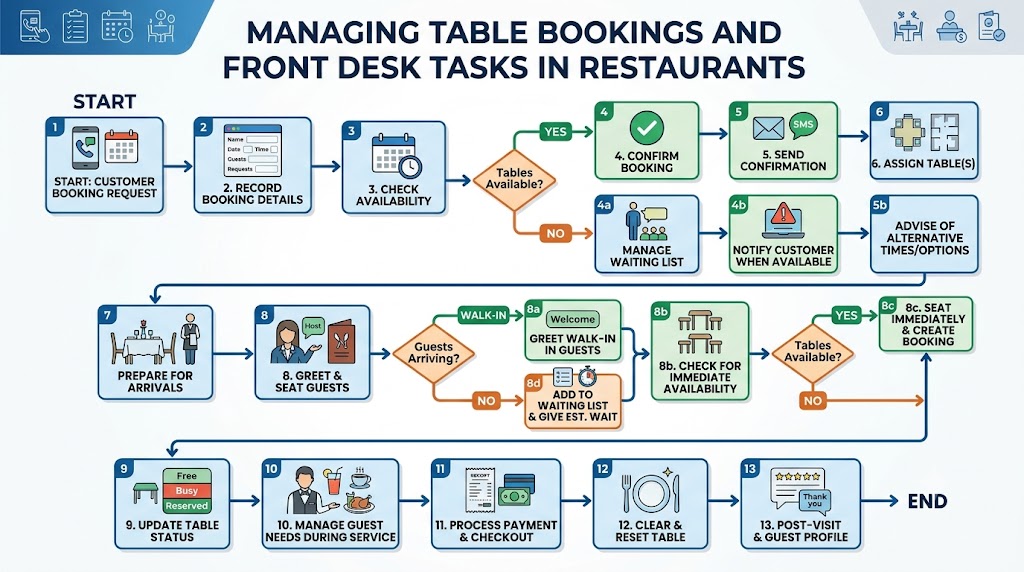
Running a busy dining space takes continuous effort from the moment the front doors open. Hosts must greet incoming diners, check open tables, and keep track of incoming reservation calls all at the same time. When paper logbooks or spreadsheets get messy, staff members can easily make mistakes, leading to double bookings and unhappy guests. Switching to smart digital tools gives front desk workers a clear view of the floor, helping the entire team work better together. In this guide, we look at how Restaurant Reservation Software helps food businesses create smoother daily services.
What Does Table and Booking Management Involve?
Handling daily guests means keeping a clean balance between people who book early and guests who walk in without notice. When several parties show up together, floor workers need to check table availability right away. Having an Online Restaurant Booking System makes this task easier because guests can send reservation requests straight from a web page. This cuts down on phone interruptions during busy prep hours and gives workers more space to focus on onsite guests.
Common Floor and Booking Problems
Front desk staff often face the same handful of problems when service gets busy. When reservation records are updated late, workers might assign the same table twice. Unclear seating times make it hard to tell when current diners will finish their meals. When seating is organized poorly, tables sit empty while waiting guests stand outside. On top of that, keeping accurate records for every arriving group takes real focus from reception workers. Without clean systems, these simple problems create unnecessary stress for floor workers.
Simple Ways Digital Tools Help Daily Floor Teams
Digital booking systems store all seating records in one easy spot so the entire team stays updated. Hosts can check upcoming party sizes, review special guest notes, and monitor table updates on a single monitor screen. Clean records allow floor leaders to plan shifts better and share key arrival details with floor staff. Platforms like DineGlobe offer clean tools that track guest entries and help staff direct people to open seats without complicating daily work.
Restaurant Table Management Software: Keeping Track of Open Seats
Knowing which tables are open and which ones are occupied is vital for smooth dinner shifts. Restaurant Table Management Software connects incoming reservation requests with available dining spots in real time. Floor workers look at seat counts, arrival times, and average meal lengths when assigning tables. For example, if a party of four is paying their bill, the tool shows the host when that exact spot will be ready for the next waiting group.
Restaurant Floor Plan Software: Setting Up Your Dining Room
A physical dining space has set limits, but guest group sizes vary with every visit. Restaurant Floor Plan Software offers a clear digital map of the dining room, making it easy to see where tables sit and how many seats are open. Receptionists can use this map to slide tables together for large families or place temporary holds for special parties. A visual map gives workers a quick look at the whole room, ensuring larger groups get seated comfortably without blocking smaller tables.
Restaurant Waitlist Management Software: Keeping Peak Hours Calm
Popular eating spots often face times when arriving guests outnumber open tables. Restaurant Waitlist Management Software helps hosts track guests who walk in when all dining spots are filled. Workers add guest details to a digital line, monitor queue positions, and give honest wait time estimates. A clean digital queue reduces confusion near the entrance and makes sure waiting parties get called in the proper order.
Direct Restaurant Booking System: Taking Reservations on Your Own Terms
Relying only on third-party dining sites can limit how a venue talks with its own guests. A Direct Restaurant Booking System lets food businesses accept reservation requests directly on their own web pages. This gives managers full control over guest notes, house rules, and confirmation messages. DineGlobe provides direct booking forms and guest links, helping diners request tables directly through the restaurant’s main web page.
Restaurant Reservation Software for Small Restaurants
Independent diners, local cafes, and neighborhood spots have very different needs than huge chain venues. Choosing Restaurant Reservation Software for Small Restaurants gives smaller teams straightforward tools, fast setup, and basic booking features without extra steps they will not use. Small teams need software that is simple to learn, letting workers manage phone calls and web requests fast without delaying table service. DineGlobe brings clear tools built to support small, growing food businesses.
Restaurant Host Stand Software: Helping Front-of-House Teams
The host desk is the central spot for greeting guests and directing floor movements. Restaurant Host Stand Software gives greeting teams a single view of incoming groups, waiting guests, and open dining spots. When diners arrive, the receptionist can quickly confirm their names, welcome them, and update table statuses right away. This clear view helps hosts maintain steady floor traffic and keeps servers and kitchen workers on the same page.
Restaurant Walk-In Management Software: Seating Guests Without Advance Bookings
Diners who stop by without booking early bring great business, but balancing them with pre-arranged tables takes careful timing. Restaurant Walk-In Management Software lets staff write down walk-in details, check open seating, and choose the safest order to seat people. If multiple booked groups are set to arrive soon, staff can use these tools to figure out if a walk-in group can finish comfortably without delaying scheduled guests.
Free Restaurant Reservation System: What to Check First
Many business owners search for a Free Restaurant Reservation System to try out digital reservation tools without spending extra money upfront. When reviewing free options, it helps to check what features come included, whether booking limits apply, and how customer help works. Through its current pilot program, DineGlobe provides free access to its reservation, table layout, waitlist, and daily floor features. Checking these terms helps owners decide if the system matches their venue style before making long-term plans.
Useful Features to Compare Before Picking a System
| Feature Group | Useful Details to Check | Main Service Benefit |
|---|---|---|
| Booking Request Tools | Direct web forms and link sharing | Cuts down on phone calls and organizes incoming requests. |
| Table Tracking | Live seat status and table assignments | Stops double bookings and uses dining space wisely. |
| Floor Map View | Digital layouts and table joining options | Helps hosts arrange seating to match the physical room. |
| Line Management | Digital queues and entry tracking | Keeps waiting guests informed during busy hours. |
| Host Desk Screen | Shared view of guest arrivals and floor status | Improves communication between front hosts and floor staff. |
Practical Ideas for Better Booking Workflows
- Update table statuses right away as guests arrive, finish eating, or leave their seats.
- Set simple rules for late arrivals and state how long tables will be held.
- Show all front desk workers how to use the software so everyone follows the same steps.
- Check digital floor maps regularly to make sure screen table numbers match actual room tables.
- Pass reservation updates to servers and kitchen workers quickly to keep service moving along smoothly.
Common Errors to Avoid When Handling Bookings
Taking new table requests without checking current floor space frequently causes long seating delays. Forgetting to clear finished tables on the screen makes open spots look occupied to other workers. Marking every web request as confirmed before checking floor space can lead to painful overbooking. Ignoring the queue list during rush hours creates big crowds at the front door and annoys waiting guests. Giving fast wait time guesses without checking kitchen activity or table progress often leads to broken promises. Maintaining clean records and talking clearly across the team stops these common errors before they happen.
How DineGlobe Supports Restaurant Booking and Front Desk Tasks
DineGlobe offers user-friendly tools that help dining venues organize table requests, open seats, and front desk tasks. With features like direct web booking pages, table mapping controls, visual floor layouts, line tracking, and host desk views, the platform helps teams manage daily services effortlessly. DineGlobe also provides simple language options in English, Japanese, and Arabic to support all types of dining spaces. During its active pilot offer, DineGlobe gives free access to its active operational features, helping restaurants streamline their seat management workflows.
Frequently Asked Questions
What is the main job of restaurant reservation software?
It helps floor teams record table requests, check open seats, track guest arrivals, and run front desk tasks from a single simple screen.
How do online booking forms work for hungry guests?
Guests use a direct online page to pick their date, time, and group size, allowing venue workers to review and store requests without taking constant phone calls.
Why does live table tracking matter during busy shifts?
It shows workers which tables are open, occupied, or saved for upcoming guests, cutting down on double bookings and getting people seated faster.
Can digital floor plan tools add extra space to a dining room?
No, software cannot change real building limits, but it helps workers organize open space, plan table setups, and slide tables together for large groups.
How do waitlist tools help hosts manage busy entrances?
They let hosts write down waiting guests, track queue order, and give fair wait times, keeping entrance areas tidy and calm.
What are the main benefits of direct online booking pages?
Direct booking pages give venue owners total control over guest communication, house rules, and reservation details without relying on third-party listing sites.
Do smaller eating places need booking software?
Yes, smaller spots profit greatly from easy software that tracks phone requests and open seats without adding hard extra steps for small teams.
What does host stand software do during dinner service?
It gives greeting teams a clear view of incoming parties, waiting diners, and current table statuses, helping hosts greet and seat guests smoothly.
How should workers handle walk-in guests alongside early bookings?
Staff can use walk-in management tools to check free tables, write down arrival times, and seat walk-in groups without delaying upcoming booked guests.
What should managers check before choosing a free booking system?
Check included tools, trial terms, setup steps, and support options to make sure the software fits your daily dining routines.
Conclusion
Managing table requests, tracking open seats, and directing front desk tasks are essential steps for great dining service. By using clean digital tools like DineGlobe,venue owners and floor teams can avoid seating mix-ups, handle walk-in crowds calmly, and keep daily shifts running smoothly. Reviewing your venue’s daily needs and checking reliable software options will help you select the best tools to support your team and take care of your guests.