Introduction
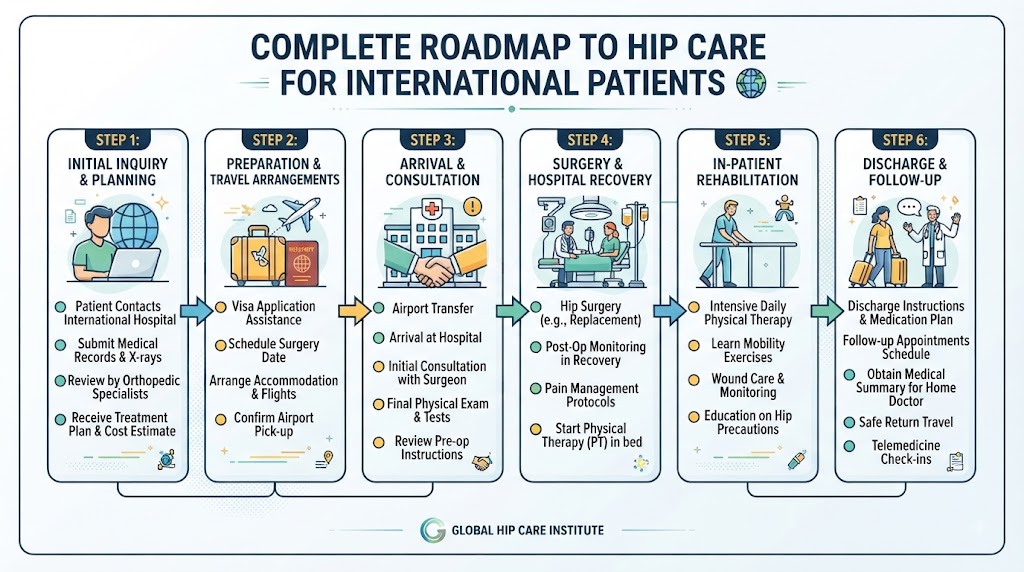
International medical travelers often explore overseas healthcare options to access specialized orthopedic centers, advanced surgical techniques, or shorter scheduling delays. Navigating treatment far from home involves careful evaluation of your physical condition, hospital accreditations, and total expenses. Gathering thorough medical records and understanding overseas travel requirements make the entire coordination process much smoother for you and your family. Platforms like HIPHOSPITALS.COM offer valuable assistance in researching global facilities, comparing medical options, and identifying qualified orthopedic specialists. This guide outlines practical steps to help international patients plan a safe, informed, and well-organized hip care journey.
Understanding Hip Care for International Patients
Beginning your medical travel journey requires a clear grasp of your specific health situation, previous treatments, and current mobility challenges. Every patient’s orthopedic needs are unique, meaning treatment approaches must be tailored based on individual diagnostic reports and physician assessments. Organizing your medical background, including imaging scans and specialist consultation notes, ensures that overseas doctors can accurately evaluate your condition. Having a solid understanding of your diagnosis helps eliminate confusion and allows for more productive conversations with international healthcare providers.
Choosing the Right Hip Specialist
Selecting an experienced orthopedic surgeon is one of the most vital choices you will make during your medical travel planning. Patients should look for doctors who hold valid medical credentials, maintain active board certifications, and possess extensive experience treating complex joint conditions. Reviewing a specialist’s professional background, patient care philosophy, and hospital affiliations helps build trust and confidence. Clear communication is equally important, so ensure the specialist or their clinical team can explain medical procedures in a way you easily understand.
Comparing Hip Hospitals
Hospital Experience
Evaluating a facility’s track record in orthopedic procedures provides insight into the reliability and quality of care you can expect. Centers with high surgical volumes often possess refined protocols for managing patient safety, anesthesia administration, and post-operative monitoring.
Facilities and Equipment
Modern diagnostic imaging tools, dedicated orthopedic operating rooms, and advanced recovery units significantly enhance the quality of hospital care. Access to state-of-the-art technology allows medical teams to perform precise evaluations and deliver safer interventions.
Patient Safety
A reputable hospital maintains strict infection control measures, robust emergency response systems, and transparent safety protocols. Reviewing these standards helps safeguard your health throughout your hospital stay and recovery period.
International Patient Support
Dedicated global patient departments make foreign travel much more manageable by assisting with visa documentation, airport transfers, language translation, and accommodation bookings. These support services reduce stress for patients navigating unfamiliar environments.
Understanding Hip Treatment Options
Treatment pathways for hip conditions vary widely depending on the severity of joint wear, overall health, age, and lifestyle goals. Conservative management options may include physical therapy, lifestyle adjustments, and targeted medication, whereas advanced joint deterioration might require surgical intervention like hip replacement. Because medical needs differ for every individual, treatment choices must always be determined following a comprehensive physical evaluation by a qualified physician. Reputable medical professionals will discuss all viable alternatives, explain associated risks, and avoid making unrealistic promises regarding recovery speed or outcomes.
Comparing Treatment Destinations
Choosing where to travel for medical care involves weighing several practical factors beyond just the immediate medical procedures. Different countries offer unique advantages, ranging from highly specialized orthopedic institutes to comprehensive medical tourism infrastructure. Patients should look at the availability of English-speaking personnel, travel convenience, local climate, and the overall standard of living during recovery. Balancing these elements ensures that your chosen destination supports both your clinical healing process and your physical comfort.
Understanding Hip Treatment Costs
Financial planning requires a complete breakdown of all anticipated expenses associated with your overseas medical stay. Total costs typically include initial specialist consultations, diagnostic imaging, operating room fees, surgeon charges, implant costs, and hospital ward stays. Beyond direct medical bills, patients must budget for post-operative rehabilitation, necessary medications, recovery housing, local transport, and return flights. Requesting a transparent, itemized estimate from the hospital before departure helps prevent unexpected financial surprises.
Preparing Medical Records
Compiling accurate and organized health records is a crucial step before reaching out to international medical facilities. Essential documents usually include recent X-rays or MRIs, detailed doctor referral letters, a list of current medications, and past surgical histories. Having these files properly digitized and translated into English allows overseas specialists to review your case thoroughly before you book any travel. Proper preparation saves valuable time and ensures that your initial virtual consultations are as productive as possible.
Planning Travel and Accommodation
Organizing logistics for medical travel requires careful attention to your physical mobility and post-treatment needs. You should select accommodations located close to the hospital that feature accessible amenities, elevators, and space for an accompanying caregiver. Flight arrangements must take into account seating comfort, cabin mobility, and any specific medical clearance letters required by airlines. Traveling with a trusted family member provides essential emotional reassurance and practical help with daily tasks during your stay.
Recovery and Rehabilitation
Structured rehabilitation plays a monumental role in restoring joint function, strength, and mobility after hip treatment. Physical therapy typically begins soon after medical intervention, focusing on gentle movements, muscle strengthening, and safe walking techniques. Adhering strictly to your therapist’s guidance prevents strain and promotes steady, long-term physical healing. Because recovery timelines vary based on personal health and the type of procedure performed, patience and consistency are essential.
Follow-Up Care After Returning Home
Establishing a post-treatment continuity plan before leaving the overseas hospital is vital for your ongoing health and peace of mind. Ensure you have copies of your discharge summaries, medication schedules, and recommended physical therapy routines to share with your local physician. Regular virtual or in-person check-ups with your home healthcare team help monitor your healing progress and address any minor concerns early. Having a clear line of communication with your medical team ensures support remains available long after your return.
Common Challenges for International Patients
Navigating foreign healthcare systems can introduce hurdles such as language barriers, unfamiliar administrative processes, and currency conversion adjustments. Managing recovery away from your home environment also requires adaptation to different local foods, climates, and daily routines. Anticipating these potential difficulties allows you to arrange adequate support systems, such as translation services and companion travel, ensuring a smoother overall experience.
Important Factors to Compare Before Choosing Hip Care
Evaluating multiple healthcare providers requires looking at a balanced set of clinical and logistical criteria rather than focusing on a single feature.
- Doctor Credentials: Verify the surgeon’s specialized orthopedic training and case experience.
- Facility Standards: Confirm hospital accreditation, hygiene controls, and safety records.
- Cost Transparency: Review itemized financial estimates and what services are included.
- Rehabilitation Support: Check the availability of structured physical therapy programs.
- International Services: Assess the quality of translation and travel coordination assistance.
Hip Care Planning Comparison Table
| Factor | What to Check | Why It Matters |
| Hospital | Facilities, experience, safety standards | Helps patients understand the quality of care |
| Doctor | Experience and specialization | Helps identify suitable medical expertise |
| Treatment | Available options and medical guidance | Helps patients understand their choices |
| Cost | Treatment and additional expenses | Helps with financial planning |
| Follow-Up | Rehabilitation and ongoing support | Helps prepare for care after treatment |
International Hip Care Planning Table
| Area | Questions to Consider |
| Medical Care | Is the hospital experienced with the required type of hip care? |
| Specialist | Does the doctor have relevant experience? |
| Cost | What is included in the estimated treatment cost? |
| Travel | How easy is it to reach the hospital? |
| Recovery | What rehabilitation or support may be needed? |
| Follow-Up | How will follow-up care be managed after returning home? |
Common Mistakes Patients Should Avoid
- Choosing solely based on low price: Selecting a provider purely for cheap rates can compromise safety and care quality.
- Ignoring doctor qualifications: Failing to research a surgeon’s specific orthopedic background can lead to mismatched expectations.
- Overlooking hospital accreditations: Neglecting to check international safety standards puts your health at unnecessary risk.
- Skipping medical record preparation: Arriving without complete diagnostic history can delay treatment planning.
- Forgetting recovery logistics: Not planning accessible accommodation makes post-procedure healing much harder.
- Failing to clarify cost estimates: Assuming all-inclusive pricing without checking exclusions often results in unexpected bills.
- Neglecting follow-up planning: Leaving home without a continuity care strategy makes managing post-treatment recovery difficult.
How HIPHOSPITALS.COM Can Help Patients
Researching global orthopedic options can feel overwhelming when sorting through countless unverified sources online. Platforms like HIPHOSPITALS.COM make this preliminary research phase easier by centralizing hospital profiles, specialist overviews, and international patient guides. These digital tools help individuals explore accredited medical centers, compare institutional features, and understand what questions to ask before contacting coordinators directly. Utilizing such resources empowers patients and their families to build a solid foundation of knowledge before making any definitive healthcare commitments.
Benefits of Proper Hip Care Research
- Gives a clearer understanding of available orthopedic procedures and limitations.
- Encourages well-informed, confident decision-making alongside medical professionals.
- Improves physical and logistical preparation for travel and recovery.
- Establishes realistic budget expectations by identifying potential hidden costs.
- Streamlines communication between international patients and hospital teams.
Frequently Asked Questions
1. What should international patients know before planning hip care abroad?
Patients should understand their specific medical condition, research accredited hospitals, evaluate surgeon credentials, and plan thoroughly for travel and post-operative rehabilitation.
2. How can international patients find experienced hip specialists?
You can review hospital directories, check professional medical board certifications, examine physician case histories, and utilize healthcare platforms like HIPHOSPITALS.COM for guidance.
3. Why is hospital accreditation important for medical travelers?
Accreditations from recognized international bodies ensure that facilities adhere to rigorous hygiene, patient safety, and clinical excellence standards.
4. What documents are typically needed for medical travel?
Essential papers include recent diagnostic scans, physician referral notes, medical history summaries, valid passports, and formal treatment invitation letters from the overseas hospital.
5. How are treatment costs calculated for international patients?
Costs depend on the complexity of the condition, hospital room charges, surgeon fees, diagnostic tests, length of stay, and required rehabilitation services.
6. What role does physical therapy play in hip recovery?
Rehabilitation helps restore joint flexibility, builds surrounding muscle strength, reduces stiffness, and ensures safe mobility following medical procedures.
7. Can I travel home immediately after receiving hip treatment?
Travel timing depends strictly on the physician’s medical clearance, as long flights soon after surgery can increase health risks and discomfort.
8. How do I ensure continuity of care after returning home?
Keep detailed medical records, schedule follow-up consultations with your local doctor, and maintain communication channels with your overseas treating team.
9. What are the common risks of traveling for medical care?
Potential challenges include language barriers, unfamiliar surroundings, travel fatigue, and difficulties managing unexpected post-treatment complications away from home.
10. How can digital healthcare directories assist in my search?
Platforms such as HIPHOSPITALS.COM help individuals compare global hospitals, research treatment environments, and gather essential information to plan their care safely.
Final Thoughts
Embarking on a medical travel journey for orthopedic treatment requires thoughtful preparation, realistic expectations, and close collaboration with qualified healthcare experts. Taking the time to research accredited facilities, verify specialist qualifications, and plan your recovery ensures a much safer and more supportive experience. Utilizing informational resources like HIPHOSPITALS.COM can simplify your initial search for suitable medical centers around the world. Every patient’s path to healing is unique, and approaching your healthcare decisions with care and diligence lays the groundwork for a successful recovery.