Introduction
Dealing with persistent joint discomfort can turn everyday movements into daily challenges, making reliable medical guidance essential. Finding a knowledgeable specialist who truly understands complex hip conditions often feels overwhelming for patients and families. Having access to clear information about doctors and hospitals helps individuals navigate their care options with greater confidence. Before scheduling an appointment, most people want to know what qualifications matter most and how to evaluate different healthcare facilities. HIPHospitals.com serves as a helpful digital resource designed to simplify hospital and specialist discovery for patients worldwide. This article explores how to research hip care providers, compare medical options, and make well-informed healthcare decisions.
Understanding Hip Specialists
A hip specialist is a medical professional who focuses heavily on diagnosing and treating conditions related to the hip joint. These experts help individuals dealing with everyday stiffness, severe joint pain, arthritis, sports-related injuries, or structural damage. When natural wear and tear or unexpected trauma affects mobility, a specialist carefully examines the joint to determine the root cause.
Patients often seek their expertise when simple lifestyle adjustments or non-surgical methods no longer provide relief. Whether someone needs specialized physical therapy, joint-preserving care, or guidance regarding hip replacement surgery, the right practitioner tailors their approach to the individual’s medical history. Every patient has unique needs, meaning the ideal doctor depends entirely on personal health factors and specific diagnostic results.
Why Choosing the Right Hip Specialist Matters
Selecting a qualified practitioner plays a major role in ensuring accurate diagnosis and effective treatment planning. Medical experience allows a doctor to recognize subtle joint issues that might otherwise go unnoticed.
- Relevant Background: Practitioners who focus specifically on orthopedic and hip conditions bring refined surgical and diagnostic skills to the table.
- Hospital Affiliation: Doctors associated with reputable medical centers usually have access to advanced surgical technology and trained support teams.
- Communication Style: A caring specialist listens closely to patient concerns and explains treatment choices in plain, easy-to-understand language.
- Patient Support: Comprehensive care includes attentive follow-up sessions to monitor healing progress and address post-treatment questions.
How Patients Can Research Hip Specialists
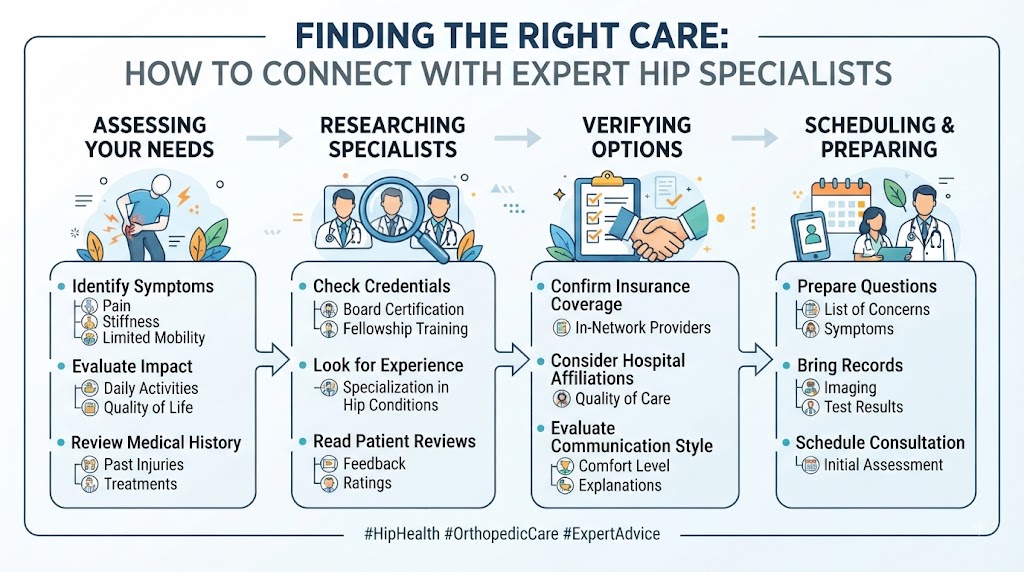
Gathering background details about a medical professional helps patients feel much more secure before booking a consultation. Checking professional credentials, educational background, and board certifications ensures the practitioner meets recognized standards of care.
It is also useful to look into how many similar cases the doctor has successfully managed over the years. Reviewing consultation formats—such as whether virtual visits are available for initial chats—can make scheduling easier, especially for individuals traveling from afar. Before meeting the specialist, patients should organize their medical files, including recent X-rays, imaging scans, blood work, and a list of current medications, to make the discussion as productive as possible.
How HIPHospitals.com Helps Patients Explore Hip Specialists
Navigating the vast world of modern healthcare can be confusing without a central place to start looking. Platforms like HIPHospitals.com are designed to bridge the gap between patients and medical providers by organizing essential healthcare data in one accessible location.
The platform helps individuals discover reputable hip hospitals, learn about various specialist backgrounds, and compare different treatment destinations around the globe. By providing clear insights into available medical services, the website empowers families to research their options thoroughly from home. This early preparation allows patients to ask informed questions when they finally sit down with a healthcare professional.
How Patients Can Compare Hip Hospitals
Evaluating healthcare facilities requires looking beyond basic comfort to examine the core elements that ensure safe, high-quality medical outcomes.
Hospital Experience
Facilities that regularly handle a high volume of orthopedic and hip procedures usually have refined internal protocols. This accumulated experience often translates into smoother surgical workflows and better patient management during recovery.
Medical Facilities
A well-equipped hospital should offer comprehensive diagnostic imaging, modern operating rooms, dedicated physical therapy units, and specialized post-operative recovery wards. Having all these resources under one roof ensures seamless transitions from testing to treatment.
Patient Safety
Strict hygiene standards, advanced infection control measures, and round-the-clock emergency support are non-negotiable elements of safe hospital environments. Qualified nursing staff should be readily available to monitor patients closely at all hours.
Patient Support
Dedicated international patient desks, multilingual staff, transparent billing assistance, and clear discharge planning help reduce stress for individuals traveling away from home for medical care.
What Patients Should Check About a Hip Specialist
When evaluating a medical professional, looking at a single factor is rarely enough. A balanced view involves examining several key traits together:
- Training and Education: Verify where the doctor completed their medical degree, residency, and specialized orthopedic fellowships.
- Case History: Inquire about their familiarity with treating conditions similar to your own diagnosis.
- Communication Approach: Ensure the doctor welcomes questions and explains medical terms patiently without rushing the appointment.
- Continuity of Care: Check if the specialist oversees both the treatment phase and the subsequent rehabilitation guidance.
Common Hip Treatment Options Patients May Explore
Hip care involves a wide spectrum of approaches tailored to the severity of the joint issue. Doctors always prefer starting with the least invasive methods whenever appropriate.
- Medicines: Over-the-counter or prescribed anti-inflammatory drugs to manage discomfort and reduce swelling.
- Physical Therapy: Targeted exercises designed by professionals to strengthen surrounding muscles and improve joint flexibility.
- Lifestyle Modifications: Adjusting daily routines, footwear, or physical activities to minimize undue stress on the hip joint.
- Targeted Injections: Therapeutic shots administered under medical supervision to temporarily ease severe inflammation.
- Surgical Interventions: Procedures ranging from arthroscopic repairs to total hip replacement surgery when joint damage is extensive.
Preparing for a Hip Specialist Consultation
Walking into a medical consultation with organized records ensures that valuable time is spent discussing meaningful solutions. Patients benefit greatly from bringing a comprehensive health summary.
- Past medical history and chronic health conditions.
- Complete files of previous X-rays, MRIs, and diagnostic scans.
- A written list of all currently prescribed drugs and supplements.
- Clear notes describing when the pain started and which movements trigger it.
- A written list of specific questions for the doctor.
Questions Patients Can Ask a Hip Specialist
- What specific condition is causing my hip pain and mobility issues?
- What diagnostic tests do I need before we decide on a plan?
- Are there non-surgical options we should try first?
- If surgery is necessary, what technique do you recommend and why?
- What are the potential risks or complications associated with this treatment?
- How long will the typical hospital stay and overall recovery period last?
- Will structured physical therapy be required after the procedure?
- What kind of follow-up schedule should I expect after returning home?
Cost and Treatment Planning
Understanding the financial aspects of medical care helps prevent unexpected stress during an already challenging time. Hip treatment expenses typically include specialist consultation fees, diagnostic testing, operating theater charges, hospital room rent, anesthesia, and post-surgery rehabilitation services.
For international patients, financial planning must also account for round-trip flights, local accommodation, ground transportation, extended stays for recovery, and visa fees. Asking hospitals for a detailed, itemized cost estimate before confirming travel arrangements ensures that patients and caregivers can budget accurately.
International Patients and Hip Treatment
Traveling abroad for medical care requires careful logistical coordination to ensure a smooth and comfortable experience. International patients should verify that the destination hospital holds recognized global accreditations, which signal adherence to high safety and hygiene standards.
It is equally important to arrange secure digital transfers of medical records so the foreign specialist can review cases in advance. Coordinating travel timelines around the expected recovery period ensures patients do not attempt long flights prematurely. Reliable translation services, accessible local accommodation for accompanying family members, and well-organized post-treatment follow-up plans are vital components of a successful medical journey abroad.
Hip Specialist and Hospital Comparison Table
| Factor | Hip Specialist | Hip Hospital |
| Experience | Relevant medical background and surgical practice | Institutional experience in orthopedic and joint care |
| Expertise | Direct focus on hip-related diagnoses and treatments | Broad range of specialized diagnostic and surgical services |
| Facilities | Utilizes hospital resources to perform care | Houses advanced operating rooms and recovery wards |
| Patient Care | Direct medical consultations and personalized guidance | 24/7 nursing care and inpatient support systems |
| Safety | Clinical decisions tailored to individual health status | Facility-wide safety protocols and emergency response units |
| Follow-Up | Post-treatment medical check-ins and recovery advice | Ongoing rehabilitation support and outpatient care |
Hip Treatment Planning Comparison Table
| Area | What Patients Can Check | Why It Matters |
| Specialist | Professional credentials and clinical background | Ensures confidence in the doctor’s medical expertise |
| Hospital | Infrastructure, technology, and orthopedic units | Shows the quality of available medical support |
| Treatment | Range of conservative and surgical choices | Prepares patients for informed discussions with doctors |
| Cost | Comprehensive medical and logistical estimates | Supports realistic budgeting and financial planning |
| Location | Geographic accessibility and travel logistics | Simplifies travel arrangements for international visitors |
| Recovery | Rehabilitation programs and follow-up schedules | Outlines what to expect during the healing phase |
Common Mistakes Patients Should Avoid
- Choosing Solely on Price: Selecting a provider based exclusively on the lowest cost can compromise safety and treatment quality.
- Skipping Background Checks: Failing to verify a specialist’s credentials and hospital affiliations leaves too much to chance.
- Ignoring Facility Standards: Overlooking hospital hygiene and emergency support infrastructure can put patient safety at risk.
- Trusting Unverified Reviews: Depending entirely on anonymous online ratings without checking professional credentials can be misleading.
- Arriving Unprepared: Going to a consultation without medical records or imaging scans wastes valuable discussion time.
- Remaining Silent: Hesitating to ask questions during appointments prevents patients from fully understanding their care plan.
- Neglecting Recovery Planning: Forgetting to arrange post-discharge rehabilitation makes the healing process much harder.
- Delaying Professional Advice: Trying to self-treat severe hip pain for too long can sometimes worsen underlying joint damage.
Benefits of Researching Hip Specialists Before Treatment
- Clearer comprehension of available medical treatments and alternative care paths.
- Ability to ask targeted, intelligent questions during doctor consultations.
- Simplified comparison of different hospital facilities and regional care options.
- Accurate financial planning that accounts for all medical and travel expenses.
- Reduced anxiety through structured preparation and realistic expectations.
- Greater confidence when discussing health decisions with medical professionals.
- Well-organized recovery timelines that support a smoother return to daily activities.
How HIPHospitals.com Supports Healthcare Research
Researching medical options requires reliable tools that make filtering through endless information simple and efficient. HIPHospitals.com assists patients by organizing details about hip hospitals, specialist profiles, and treatment alternatives in one convenient place.
The platform helps individuals explore international healthcare destinations, compare institutional facilities, and understand what to expect at every stage of their medical journey. By equipping patients with foundational knowledge, the website bridges the gap between initial confusion and confident healthcare decision-making.
Frequently Asked Questions
1. How can HIPHospitals.com help patients find hip specialists?
HIPHospitals.com acts as an informational platform that helps patients explore various hip specialists, research hospital facilities, and compare medical options in one organized place.
2. What should patients check before choosing a hip specialist?
Patients should check the doctor’s professional qualifications, orthopedic training, clinical experience with similar hip conditions, and hospital affiliations.
3. Why does a specialist’s experience matter in hip care?
Experienced specialists possess refined diagnostic and surgical skills, allowing them to manage complex joint issues safely and recommend the most suitable treatment path.
4. What hospital facilities are most important for hip surgery?
Key facilities include modern diagnostic imaging services, sterile surgical theaters, dedicated orthopedic wards, and comprehensive physical therapy units.
5. How can international patients plan their hip treatment abroad?
International patients should review hospital accreditations, transfer medical records securely in advance, verify language support, and plan adequate time for local recovery.
6. What records should I bring to a hip specialist consultation?
Patients should bring previous medical history summaries, recent X-rays or MRI scans, blood test reports, and a complete list of current medications.
7. Are non-surgical treatments always tried before hip surgery?
Doctors generally recommend conservative options like physical therapy, lifestyle changes, and medications first, reserving surgery for cases with severe structural joint damage.
8. What costs should be included in hip treatment budgeting?
Budgeting should cover specialist consultation fees, hospital stay charges, surgical costs, diagnostic tests, medications, rehabilitation, and travel expenses for international visits.
9. How does physical therapy fit into hip recovery?
Physical therapy helps rebuild surrounding muscle strength, restores joint flexibility, and guides patients safely back to normal everyday movements.
10. When should a patient consult a hip specialist?
A consultation is recommended when persistent hip pain, stiffness, or mobility issues begin interfering with daily activities and fail to improve with basic rest.
Final Thoughts
Making well-informed healthcare decisions requires taking the time to evaluate medical expertise, hospital quality, and treatment options carefully. Understanding the importance of specialist experience and safety standards helps patients approach their care with confidence and clarity. Proper financial planning and thorough preparation for recovery ensure that the healing journey remains as smooth as possible. Platforms like HIPHospitals.com support this early research phase by making hospital and specialist discovery simpler for patients and families worldwide. Ultimately, discussing all findings and personal health goals with a qualified medical professional remains the most vital step toward lasting relief.