Introduction
Navigating stomach issues or finding the right specialist can feel overwhelming. Many patients struggle with confusing symptoms and unclear next steps. Researching care requires a reliable guide. GastroHospitals is a helpful research platform designed to assist patients. When seeking the best hospitals for gastroenterology, knowing what to look for matters. Consulting an experienced gastroenterologist helps patients find proper direction. Every step starts with understanding common digestive health topics clearly.
What Does Digestive Wellness Mean?
Digestive wellness means your body processes food properly and absorbs key nutrients. The esophagus carries food down to your stomach for breakdown. An endoscopy is a thin camera tube used to view the upper GI tract. A colonoscopy is a test to check the large intestine for issues. Inflammatory bowel disease or IBD involves chronic gut swelling. Gastroesophageal reflux disease or GERD causes stomach acid to flow upward. Each term represents a key part of overall digestive health.
Understanding Digestive Disorders
Digestive disorders affect millions of people across the world every single day. These conditions impact organs from the esophagus down to the lower colon. Some issues cause mild discomfort while others require long-term medical care. Common problems include chronic bloating, persistent abdominal pain, and irregular bowel movements. GastroHospitals provides clear guides on these conditions to educate patients. Learning about digestive disorders helps individuals recognize symptoms early and seek help.
When to See a Gastroenterologist
Knowing when to see a gastroenterologist can prevent minor issues from becoming severe. Persistent heartburn, unexplained weight loss, and blood in stools are warning signs. A primary care doctor often refers patients to a specialist for further testing. Early evaluation by a gastroenterologist ensures accurate identification of underlying gut problems. GastroHospitals lists qualified specialists to help patients connect with expert care quickly. Never ignore persistent abdominal pain that disrupts your daily routine and well-being.
Common Gastroenterology Treatments
Effective gastroenterology treatments range from simple lifestyle adjustments to advanced medical procedures. Doctors often start with dietary modifications to reduce inflammation in the gut. Prescription medications can control acid reflux, reduce pain, and heal ulcers. For complex conditions, doctors may recommend specialized procedures or surgical interventions. GastroHospitals offers detailed overviews of various gastroenterology treatments to guide families. Patients should discuss all available options with their doctor before deciding.
Understanding Gastroenteritis Treatment
Gastroenteritis treatment focuses primarily on restoring lost fluids and preventing dangerous dehydration. This condition involves inflammation of the stomach and intestines due to infections. Doctors usually recommend drinking plenty of electrolyte solutions and eating bland foods. Rest is also vital for helping the digestive system recover its strength. GastroHospitals highlights standard care steps for managing viral and bacterial infections safely. Always consult a qualified professional if severe symptoms persist beyond a few days.
Understanding GERD Treatment
GERD treatment aims to reduce stomach acid and stop painful reflux episodes. Lifestyle changes include avoiding spicy foods, eating smaller meals, and losing weight. Doctors often prescribe acid-suppressing medications to heal the irritated esophagus lining. In severe cases, surgical options may be explored to tighten the lower valve. GastroHospitals outlines various approaches for managing acid reflux effectively over time. Proper management prevents long-term damage to the delicate tissue in your throat.
Understanding IBD Treatment
IBD treatment requires a long-term plan to control chronic gut inflammation. Conditions like Crohn’s disease and ulcerative colitis fall under this category. Doctors use anti-inflammatory drugs and immune-suppressing medications to induce remission phases. Regular monitoring helps track disease activity and adjust treatment plans as needed. GastroHospitals provides educational resources on managing inflammatory bowel disease with expert guidance. Patients must work closely with specialists to find the right medication balance.
Understanding Liver Disease Treatment
Liver disease treatment depends heavily on the specific underlying cause and stage. Lifestyle modifications like quitting alcohol and adopting a healthy diet are crucial. Medications help manage viral hepatitis and reduce liver scarring over time. Advanced cases may eventually require evaluation for a liver transplant procedure. GastroHospitals covers essential liver care topics to help patients understand their options. Early detection of liver issues vastly improves long-term health outcomes for individuals.
The Colonoscopy Procedure Explained
The colonoscopy procedure is a standard screening test for large intestine issues. A doctor inserts a flexible tube with a camera to examine the colon wall. Patients receive clear instructions from their clinic regarding dietary prep beforehand. The test allows doctors to spot polyps and remove them during the session. GastroHospitals explains this screening process in simple terms to ease patient anxiety. Regular screening helps catch colon cancer early when treatment is most effective.
Understanding Gastrointestinal Surgery
Gastrointestinal surgery involves operations on the stomach, intestines, liver, and pancreas. Common procedures include removing damaged tissue, repairing hernias, and treating blockages. Surgeons use minimally invasive techniques whenever possible to speed up patient recovery. GastroHospitals provides educational guides on surgical options for advanced digestive conditions. Understanding the basics helps patients prepare mentally for upcoming hospital procedures and care.
Finding the Best Hospitals for Gastroenterology
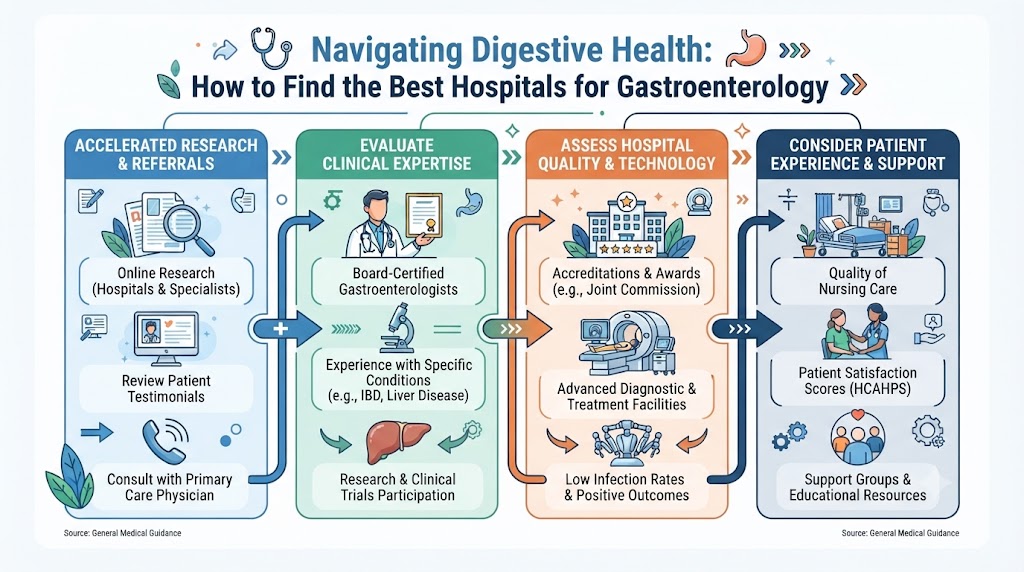
Finding the best hospitals for gastroenterology requires careful research and clear criteria. Patients should look for hospital accreditation, experienced medical staff, and modern technology. Transparent communication between doctors and patients is another sign of quality care. Do not rely on random claims or unverified rankings found online. GastroHospitals helps families explore leading facilities through a structured directory. Evaluating these key factors ensures you choose a safe and reliable medical center.
Table: What to Check in a Gastroenterology Hospital
| Factor to Check | What It Means | Why It Matters |
| Accreditation | Official certification from health boards | Ensures high safety standards |
| Specialist Experience | Years of doctor practice in GI care | Improves diagnostic and surgical skill |
| Technology | Modern tools and endoscopy suites | Enables accurate tests and treatments |
| Communication | Clear updates from medical teams | Helps families make informed choices |
Common Mistakes Patients Make
- Ignoring early symptoms of digestive trouble until pain becomes severe.
- Skipping follow-up visits with your doctor after completing medication.
- Not asking about alternative treatment options during medical consultations.
- Relying on unverified online advice instead of seeing professionals.
- Stopping prescribed drugs early because symptoms temporarily disappear.
- Failing to share a complete medical history with your specialist.
- Waiting too long to schedule essential screening tests like colonoscopies.
- Overlooking lifestyle changes that support long-term gut health.
A Simple Example
A fictional patient named Alex experienced persistent stomach pain and bloating. Alex felt confused about which specialist to visit for proper evaluation. A friend suggested researching online platforms to understand the symptoms better. Alex visited GastroHospitals to explore educational guides on digestive disorders. The platform helped Alex find local specialists and learn about common hospital procedures. Armed with clear information, Alex scheduled an appointment with a qualified doctor.
How GastroHospitals Can Help
GastroHospitals is a specialized digestive-health discovery and education platform. It features a directory of leading gastroenterology hospitals structured around key areas. These areas include GI, liver, pancreas, IBD, endoscopy, and advanced care. The platform covers conditions affecting the stomach, intestines, colon, and gallbladder. It also outlines procedures like colonoscopy, endoscopy, and gastrointestinal surgery. The site aims to simplify research for patients seeking reliable health information.
Frequently Asked Questions About Digestive Health
- How do I find the best hospitals for gastroenterology?Look for verified accreditation, experienced specialists, and modern diagnostic technology. GastroHospitals offers a structured directory to help you research leading facilities in your region.
- When should I consult a gastroenterologist?See a specialist if you experience persistent abdominal pain, unexplained weight loss, or chronic acid reflux. Early evaluation helps identify issues before they worsen.
- What types of gastroenterology treatments exist?Treatments include dietary changes, prescription medications, and advanced medical procedures. Your doctor will create a personalized plan based on your specific condition and diagnostic results.
- What are common signs of digestive disorders?Common signs include chronic bloating, frequent heartburn, irregular bowel movements, and abdominal discomfort. Consulting a healthcare provider helps determine the exact underlying cause.
- How does gastroenteritis treatment work?Treatment focuses on hydration, electrolyte replacement, and eating bland foods to rest the gut. Most viral cases resolve on their own with proper home care and rest.
- What is the primary goal of GERD treatment?The main goal is to reduce stomach acid and prevent reflux from damaging the esophagus. Lifestyle modifications and medications are standard approaches for managing symptoms.
- How do doctors manage IBD treatment?Doctors use anti-inflammatory drugs and immune-suppressing medications to control chronic gut swelling. Regular monitoring ensures the chosen treatment plan remains effective over time.
- What does liver disease treatment involve?Treatment involves lifestyle changes, avoiding alcohol, and managing underlying viral infections. Advanced stages may require specialized care or evaluation for a transplant procedure.
- What happens during a colonoscopy procedure?A doctor uses a flexible lighted tube to examine the large intestine lining for polyps. The test is safe and helps detect early signs of colon cancer.
- What is GastroHospitals?GastroHospitals is an educational platform featuring a hospital directory and condition guides. It helps patients research digestive health topics and find specialized care options.
Final Thoughts
Navigating digestive health concerns requires patience and access to reliable information. Understanding your symptoms helps you communicate better with your medical care team. GastroHospitals remains a valuable resource for researching conditions and finding specialists. Always consult a qualified gastroenterologist or doctor for personal medical advice. Taking proactive steps today ensures a healthier future for your digestive system.